

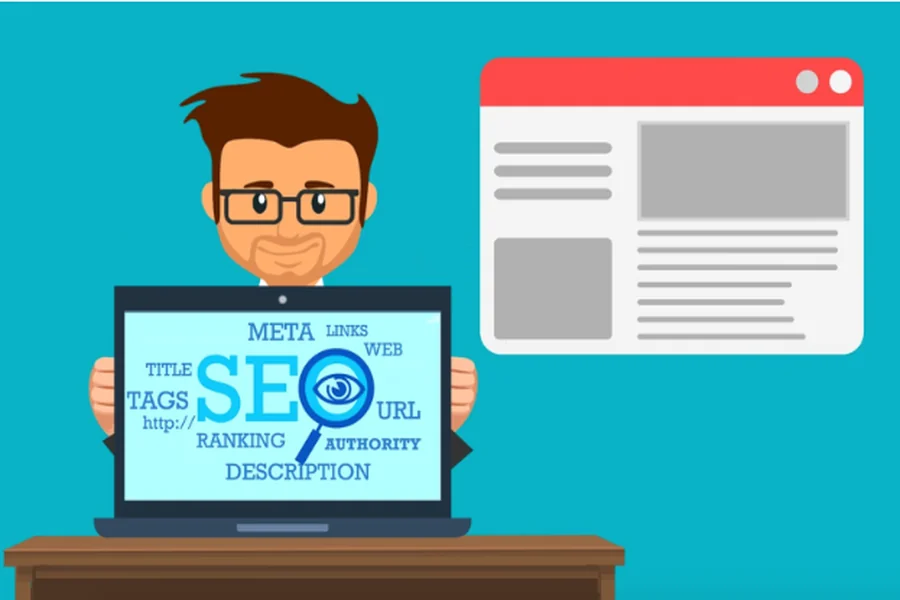
Local businesses in Miami operate in a fast-paced, highly competitive digital environment. To stand out, they must leverage Miami SEO — a focused strategy tailored to the region’s unique demographics, search behaviors, and local market dynamics. Below, we break down the essential strategies businesses use to rise through the local search rankings and attract more customers online.
Claim and Optimize Your Google Business Profile
The foundation of any successful local SEO campaign starts with Google Business Profile (GBP), formerly known as Google My Business. This free listing helps businesses appear in Google Maps and the local pack of search results.
Steps to execute:
- Claim your listing: Visit google.com/business and search for your business to claim it.
- Optimize with complete details: Include business hours, services, address, website, phone number, and high-quality images.
- Use accurate categories: Select primary and secondary categories that describe your services (e.g., “Italian Restaurant” or “Miami Personal Injury Lawyer”).
- Add location-based keywords: Sprinkle terms like “best tacos in Brickell” into your business description.
Example: A Miami spa that updated its GBP with weekend hours, appointment links, and geo-tagged photos saw a 38% increase in clicks from local searches in just three weeks.
Build Local Citations and NAP Consistency
Citations are online mentions of your business, and NAP refers to Name, Address, and Phone number. Consistency across platforms builds credibility with search engines.
Steps to execute:
- Submit to trusted directories: Focus on Yelp, YellowPages, TripAdvisor, Foursquare, and local Miami directories.
- Use tools: Platforms like BrightLocal and Whitespark can identify inconsistent citations.
- Audit quarterly: Regularly check and update outdated information across all listings.
Example: A Midtown Miami fitness studio removed inconsistent old addresses from directories and jumped from page 3 to page 1 for “Miami personal training.”
Leverage Location Pages on Your Website
For businesses serving multiple areas or neighborhoods in Miami, location-specific landing pages are a strategic SEO asset.
Steps to execute:
- Create unique content for each location: Include address, directions, neighborhood details, and localized testimonials.
- Avoid duplicate content: Each page must offer different value—mention unique services or local promotions.
- Optimize titles and URLs: Use search-friendly phrases like “Dental Clinic in Coral Gables – ABC Dental.”
Example: A law firm with pages for Coconut Grove, Little Havana, and Downtown Miami earned triple the leads after customizing content and targeting local search terms.
Target Hyperlocal Keywords
Broad keywords like “Miami plumber” are competitive. Hyperlocal terms such as “emergency plumber in Kendall” or “eco-friendly AC repair in Wynwood” offer faster ranking opportunities.
Steps to execute:
- Research neighborhood terms: Use tools like Google’s Keyword Planner and Ubersuggest.
- Add keywords naturally: Integrate them into page titles, headers, body text, and meta descriptions.
- Use semantic variations: Include alternative names like “The Roads” vs. “East Little Havana.”
Example: A landscaping company targeting “backyard design in Pinecrest” outranked national franchises by focusing on long-tail, neighborhood-specific keywords.
Get Local Backlinks from Miami Sources
Link building—especially from locally relevant websites—are a strong trust signal for Google. They help establish your authority in a specific geographical area.
Steps to execute:
- Partner with local blogs and media: Pitch a story, event, or expert insight to outlets like Miami New Times or The Real Deal Miami.
- Sponsor events or charities: Get listed on community and nonprofit websites.
- Join the Chamber of Commerce: Membership often includes a backlink.
Example: A vegan restaurant in Wynwood sponsored a community mural event and was featured on five local sites, boosting its domain authority and map pack visibility.
Encourage and Manage Customer Reviews
Online reviews are not only critical for conversions—they also influence local SEO rankings.
Steps to execute:
- Ask for reviews: Prompt satisfied customers to leave a Google review via follow-up email or SMS.
- Respond to all reviews: Google considers engagement a ranking factor.
- Highlight keywords: Encourage reviewers to mention services and neighborhoods naturally.
Example: A pet grooming business in Coral Way included review requests in appointment confirmation texts, increasing its monthly reviews by 70%.
Create Localized Content That Solves Problems
Content marketing tailored to the Miami audience builds relevance and trust. Blog posts, guides, and FAQs based on local concerns improve SEO and provide value.
Steps to execute:
- Identify local pain points: What questions do customers in Miami frequently ask? (“How to protect your home from hurricane damage”)
- Write for humans and search engines: Include visuals, subheadings, and schema markup for rich results.
- Publish regularly: Maintain a content calendar with seasonal topics and local events.
Example: A roofing company published a “Hurricane Season Roof Prep Checklist for Miami Homeowners,” which ranked on page one for “roof hurricane tips Miami” and led to a 25% increase in consultations.
By mastering these strategies—optimizing your Google Business Profile, securing local citations, publishing hyperlocal content, and more—local businesses in the Miami area can dramatically improve visibility and reach. The key to Miami SEO success is consistency, precision, and a deep understanding of the local digital landscape.
