

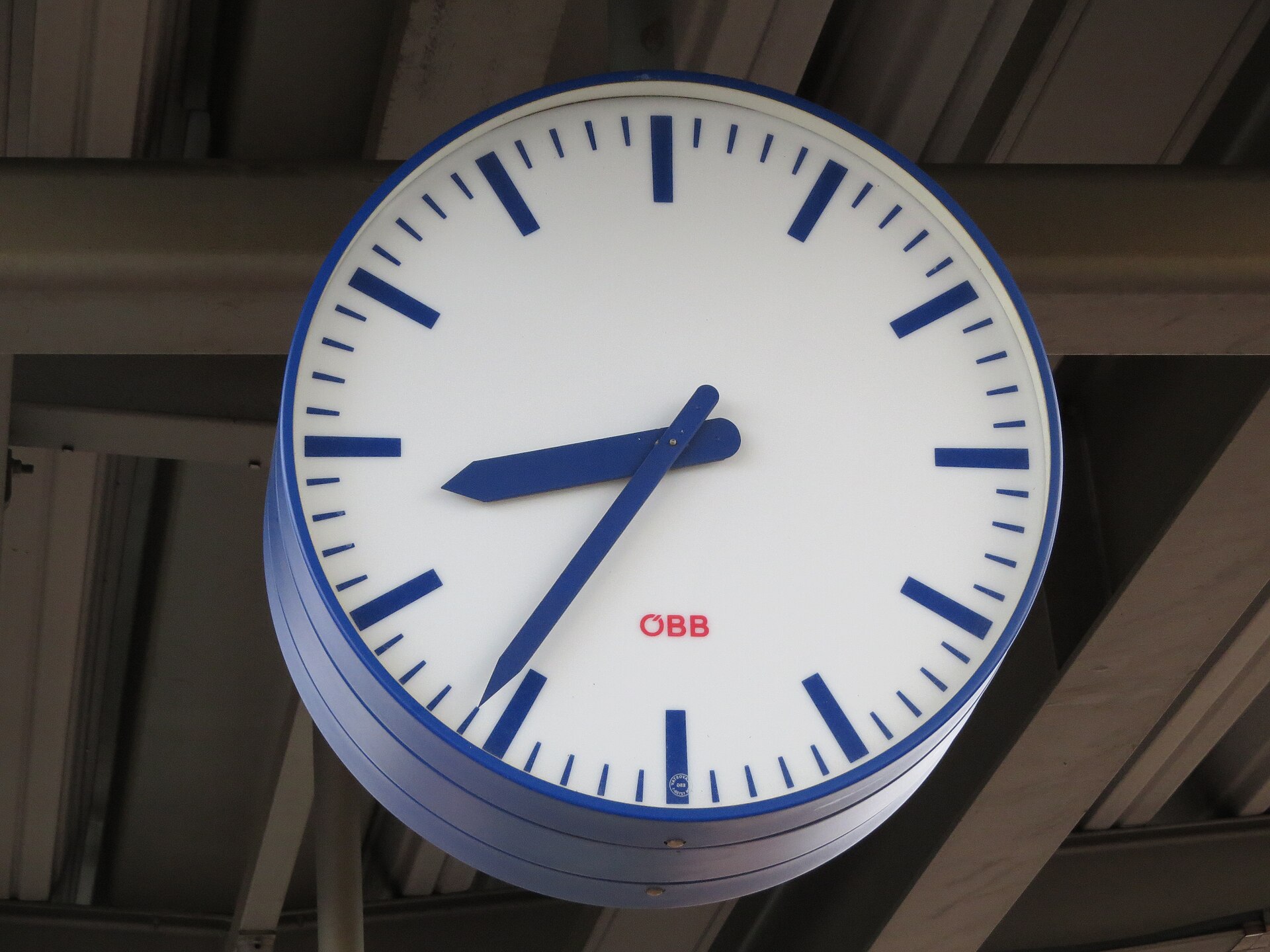
It’s one of those things you learn as a kid and then forget as soon as someone asks you to explain it. So when a person wonders about counterclockwise left or right, the quick answer is this: counterclockwise is the opposite way from clockwise, and for something spinning in front of you, the top of it moves toward the left.
Starting with clockwise
Picture the face of an analog clock. The hands move from 12 to 3, then to 6, then to 9, and back up. The top of the clock travels to the right, the right side moves down, the bottom moves left, and the left side moves up. That’s clockwise.
Now flip it
Counterclockwise goes the other way around. Start at 12, then go to 9, then 6, then 3. The top of the circle moves to the left, the left side goes down, the bottom goes right, and the right side goes up. The word is “counterclockwise” in American English and “anticlockwise” in British English. They mean the same thing.
The left or right confusion
People get mixed up because there’s no single left or right for a whole circle. Different parts of the circle move in different directions at the same time. A good way to think about it is to focus on the top. At the top of a counterclockwise spin, the motion goes left. At the bottom, it goes right. If someone says “turn it counterclockwise,” imagine the top of the object swinging to the left, like turning a steering wheel toward the left.
A handy rule for everyday jobs
You’ve likely heard the rhyme “righty tighty, lefty loosey.” For most screws, bolts, jar lids and bottle caps, turning clockwise tightens them, and turning counterclockwise loosens them. So if a lid is stuck, you want to turn it counterclockwise, with your hand moving toward the left on the top.
There are exceptions. Some gas fittings and certain bicycle pedals use reverse threads, which tighten in the opposite direction. That’s done on purpose, so parts don’t come loose while in use. If you’re working with something like that, check the instructions first.
Where else it matters
- Sports. Many running tracks and speed-skating rinks run counterclockwise, and baseball runners circle the bases counterclockwise.
- Weather. In the Northern Hemisphere, storms like hurricanes spin counterclockwise. In the Southern Hemisphere, they spin clockwise.
- Driving. Roundabouts in countries that drive on the right go counterclockwise, and in countries that drive on the left, they go clockwise.
- Dance and fitness. Instructors often say “rotate counterclockwise” to describe a circle with your arms or hips.
A trick for remembering
Hold your right hand out with your thumb up. If you curl your fingers, they go counterclockwise when you look down from the thumb’s tip. That’s a neat memory aid, and it’s used in physics as the right-hand rule. For a simpler version, picture an analog clock, then imagine it running backward. Backward is counterclockwise.
Digital clocks make it harder
Many younger people grew up with phones and digital clocks and rarely see an analog one. That’s part of why the question still comes up. If you find it hard to picture, draw a quick clock on paper and trace the path with your finger. A few seconds of doing it by hand usually makes it stick.
For other quick explainers on everyday words and directions, compairro.com keeps short, plain answers that are easy to scan.
The short answer
Counterclockwise is the reverse of clockwise. At the top of the circle, it moves left, so it’s the direction you turn to loosen a screw. Keep the clock in mind and the “lefty loosey” rhyme handy, and you’ll never mix it up again.
